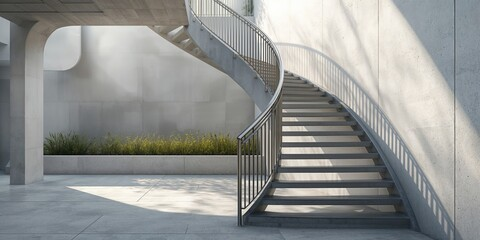
Stair railings aren’t just hardware they’re a design centerpiece. They need to be strong, precise, and code-compliant. Small mistakes and weak welds can compromise safety. Modern horizontal, metal, and mixed-material railings integrate aesthetics and functionality, transforming stairs into eye-catching focal points in contemporary homes. To ensure quality and safety, professional design, fabrication, and installation are crucial.
Initial Consultation
Architecture Stairway Metal Railing is not only a safety feature, but they also add to the overall aesthetic of a home. They are often the first thing a potential buyer notices and should reflect the architectural style of the property. A well-crafted staircase with a quality metal railing can increase property value over time, making it a worthwhile investment for homeowners.
In order to create a seamless design, it is important to take a comprehensive approach to designing and installing metal staircase railings. This process involves assessing the space, selecting the best materials, and exploring customization options. American Railworks, a metal railing company serving Bellevue and the surrounding area, is committed to providing tailored solutions for each client’s specific needs and preferences. They have extensive experience in the industry and adhere to local building codes, ensuring that their staircase railings meet both safety standards and design aesthetics.
Before starting a metal staircase project, it is important to clear the area where the staircase will be installed and ensure that it is free of debris. It is also essential to verify that the supporting structure, such as walls or floors, is strong enough to support the staircase’s weight.
The next step is to layout the stairway, identifying the location of each tread and riser. The stair stringers must be cut and welded to the correct specifications in order to maintain structural integrity. This requires professional-grade equipment and experience, as small mistakes can cause the stair to collapse. Finally, the handrails must be installed at an ergonomic height.
Once the stair design has been finalized, it is possible to begin planning and building the staircase. It is important to follow all local and national building code requirements for stair railings, including safety regulations for baluster spacing and height.
Design Concepts
Metal staircase railings are more than just safety features; they’re design focal points that enhance a building’s aesthetic and increase property value over time. To maximize the function and visual appeal of a staircase, it is important to understand the intricate details involved in designing a custom railing system. This includes assessing the space, selecting materials, and exploring customization options to ensure that a staircase perfectly matches its architectural style.
A growing trend in modern staircase railings is the use of mixed-material systems. Combining materials like wood and metal creates a unique appearance that complements a variety of architectural styles. Additionally, this approach allows for greater personalization in appearance while ensuring that a staircase meets strict functionality and safety standards.
Stairway railings must be strong enough to withstand the weight and force of people climbing them. This requires careful planning, accurate measurements, and durable materials that can withstand harsh weather conditions. Custom stairway railings can meet these requirements and more by employing detailed engineering and precise manufacturing techniques.
To ensure that your metal railings are built to last, they should be fabricated using stainless steel. This material offers superior strength and corrosion resistance, ensuring that your railings will remain safe, secure, and beautiful for years to come.
To produce comprehensive technical drawings that will provide fabricators and installers with all the necessary information, architects should utilize a CAD (computer-aided design) software. This tool allows for advanced customization, real-time 3D visualization, and accurate measurement unit conversion to avoid potential design mistakes. It also provides an easy way to share and review designs with clients, incorporating feedback before finalizing plans.
Material Selection
Metal railings are more than just a safety feature; they elevate the aesthetic of any staircase and can increase property value. However, implementing an interior metal railing requires strict adherence to building codes and regulations. Having a comprehensive understanding of these standards can help ensure your new stairway is safe and will maintain its quality for years to come.
The material selection process includes analyzing factors like workability, physical properties and chemical properties. These properties construct the main basis for consideration of materials for a particular application. For example, an unsuitable material may have poor insulating qualities, leak toxic fumes or not be able to handle corrosive environments. There are also practical considerations that disqualify certain materials from being considered, such as asbestos which releases poisonous toxins and plastics which cannot take the required load.
During this stage, the designer creates a list of potential materials that meet these criteria and performs an in-depth analysis to determine which are most suitable. The resulting shortlist is then evaluated against other requirements, including cost and availability, with the goal being to select the most desirable material for the project. The simplest way to do this is by using an Ashby chart, where the performance index of each material is plotted along a graph and moved closer to the center as the performance of that material improves.
The underlying philosophy of the material selection process is that it is impossible to design a product without first selecting a suitable material. This is because the function, process and material of a product are interdependent and have to be chosen together. This is why engineering designers use a variety of tools during the Concept Definition, Embodiment and Design Detail stages to assist with material selection, including the use of Process Selection charts.
Fabrication
A custom metal staircase adds style and architectural appeal to a space. It can also improve the safety of those who use it by providing barriers that prevent people from accidentally falling off a staircase or climbing over a rail. It can also be used to protect those with mobility issues, especially older people.
The stair railings are typically made of durable materials like steel or aluminum. They can also include glass, which provides a modern look and is ideal for open-concept spaces. Glass railings, however, must be tempered and laminated to be able to hold up to repeated use. A professional shop that specializes in custom architecture railings will have the right equipment and expertise to handle these delicate materials.
Stairway railings should be fabricated and installed with precision to ensure safety and code compliance. This is a project that requires specialized tools and techniques, so hiring professionals will save time and money. It’s important to choose a fabricator that uses advanced fabrication techniques, including CNC cutting and TIG or MIG welding. This will ensure that all components are properly shaped, joined together, and finished to meet quality and aesthetic requirements.
Once the metal stairway railings are complete, they undergo rigorous testing to guarantee structural integrity and durability. They should be able to withstand repeated use, heavy loads, and harsh weather conditions. Metal stair railings also require minimal maintenance, making them an excellent choice for homeowners who want to enhance the appearance of their homes while improving safety and security.
A bespoke metal railing design is an investment that can significantly increase the value of your home. By combining strength, style, and custom craftsmanship, it can transform your staircase into an architectural centerpiece that enhances the beauty of your property for years to come.
Installation
Metal stair railings are a beautiful and functional addition to a staircase. They elevate the aesthetic of a space and complement any architectural style, enhancing the look and feel of a home or commercial property. They are also practical, reducing the risk of falls and increasing safety and security while adding value to the property over time. However, installing a railing system that complies with local building codes and standards requires careful planning. The process involves assessing the location, ensuring accurate measurements, and adhering to strict fabrication and installation guidelines.
A professional fabricator, like American Railworks, serving Bellevue and the greater Seattle area, has a process that streamlines these steps for a seamless project experience. Their in-house fabrication process allows for stringent quality control, resulting in a safe and durable product that meets all local codes and regulations. Additionally, they offer a variety of customization options to suit each client’s design preferences.
The onsite installation phase begins with assessing the site and preparing it for the stair and railing installation. They then assemble the steel stair double stringer and install the railings on-site, following the approved drawings and ensuring that all components fit precisely. They also ensure that the balusters are properly spaced and level for safety, and that the handrails are at the correct height to comply with local code requirements.
Professional installers take the time to ensure that the installation is done correctly and securely, prioritizing structural integrity and safety. In the case of metal stairs and railings, they use advanced fabrication techniques, including CNC cutting, TIG or MIG welding, and powder coating, to guarantee precision and durability. Once the final product is installed, they complete a thorough inspection to verify that it meets all local codes and is safe for regular use.