
How to Choose the Right Concrete Services for Your Home or Business

Concrete Plano TX

Concrete Plano TX can impact your property’s function, safety, and beauty for years to come. Thorough research and evaluation can help you select a professional who aligns with your project needs.

Local recommendations from friends, family, and industry professionals are a great place to start your search for an experienced concrete contractor. Additional aspects to consider include experience, licensing, references, portfolio, communication, pricing, and warranty.

Experience

Concrete is one of the most commonly used construction materials in residential and commercial projects. Choosing the right concrete services provider can help you complete your construction project successfully and ensure long-term durability and performance.

Finding the right contractor begins by defining your specific project scope. This includes identifying the type of concrete finish you want, as well as establishing the square footage of the space and any special requirements. Discussing these details with potential contractors allows you to compare estimates and assess their level of professionalism.

Referrals are another effective way to find a qualified concrete contractor. Reach out to friends, family members, and industry colleagues for recommendations. Online reviews can also provide valuable insight into a contractor’s quality of work and reliability. Reviewing a contractor’s portfolio is another way to evaluate their skills and experience. A strong portfolio demonstrates technical competence and an ability to adapt to your project’s unique requirements. It’s also helpful to choose a contractor who prioritizes sustainability, offering options like low-carbon cement alternatives and energy-efficient construction techniques.

Licensing

Choosing the right concrete company for your project is essential to its success. You want to be sure that the contractor is licensed, bonded and insured to perform work on your property. This is especially important if you are hiring someone to complete a large project, such as building a foundation or patio. This ensures that the company will be responsible if something goes wrong during construction and will be able to pay for any damages.

You can check whether a concrete company is licensed by visiting their website or checking online reviews. It’s also helpful to ask for referrals from friends and family members who have used their services before. This will help you find a contractor with experience and a solid reputation.

It’s also a good idea to choose a contractor that specializes in the type of project you need. This will ensure that they have the necessary expertise and are able to provide high-quality workmanship. They should also be knowledgeable about industry advances and materials, so they can offer state-of-the-art solutions to their customers.

References

Concrete is a common building material that can add value to any residential or commercial property. It is also a versatile material that can be used for a variety of purposes, including patios, driveways, and sidewalks. However, it is important to choose the right contractor for your project to ensure that it is done correctly and on time.

The first step in choosing a concrete company is to check their credentials and portfolio. Look for testimonials and examples of past projects on their website or social media pages. You can also contact past clients to ask about their experience working with the concrete contractor.

When comparing quotes, be sure to include all costs and services in each estimate. Vague or incomplete estimates can lead to costly surprises down the road. It is also important to make sure that the concrete contractor you choose is licensed and insured. This will protect you from any potential liability issues that may arise during construction.

Portfolio

Concrete is a common building material that can be used for various projects. As such, it’s important to choose a contractor who has a portfolio of previous work. This can help you visualize what the finished product will look like and give you some ideas for your own project. It’s also a good idea to ask for references so you can get an unbiased opinion of the contractor’s work.

Choosing the right residential concrete contractor can make or break your home improvement project. A quality concrete contractor will have a great reputation, be reliable, and offer competitive pricing. By examining their portfolio, checking their credentials, and asking for references, you can ensure that you’re hiring the best contractor for your home.

Concrete is an excellent raw material for building things in a better way. However, no raw material is perfect, and it requires repair work from time to time. It’s essential to find a residential concrete contractor who is reputable, experienced, and offers free quotes. This will help you choose the right contractor for your concrete repair project.

Communication

Concrete contractors must be clear about their work approach, pricing, and warranties. They should also be willing to answer any questions thoroughly and promptly.

A contractor’s experience can help ensure proper project methods, minimizing maintenance and repair costs down the road. Choose one with a proven track record and expertise in your project type.

For example, if you need a foundation pour, ask about their experience working with concrete mixes. Some mixes require specialized equipment, while others can be poured by hand. You may need a mix with high workability to accommodate intricate formwork or dense rebar placement, while time constraints might call for a fast-setting or high-strength concrete.

Additionally, you can choose from a variety of admixtures to improve workability, extend curing times for large pours, and add chemical resistance. The right concrete supplier will understand your unique needs and provide you with a solution that offers both performance and affordability.

Pricing

Choosing the right concrete services involves more than just finding a name on an internet search or picking the lowest price. It requires a thorough evaluation of your needs and the contractors available in your area to make a decision that will ensure you get the best results at the most reasonable cost.

One of the most important factors to consider is how a contractor prices their work. Pricing a job accurately requires taking into account the various labor, materials, and equipment costs that go into any project. It also means factoring in site preparation, which can eat into your profit if not done properly.

This includes everything from excavation and grading to cleanup and disposal. It also means identifying any unique requirements that may add to the cost of your project, such as reinforced concrete or special finishes. Having the right contractor with extensive experience in residential and commercial projects will mean they understand the nuances of your unique project and can offer practical solutions. This translates into better results and fewer surprises down the road.

Timeline

Choosing the right concrete services for your project is a vital decision that directly impacts your property’s function, safety, and aesthetic. Investing the time in researching local companies and evaluating their expertise, reputation, qualifications, and communication abilities can help you make an educated selection that will lead to a quality concrete project.

Start by discussing your project scope with contractors and asking for quotes. Carefully compare what is included in each quote, paying attention to the project timeline and breakdown of costs including labor and cubic yards of concrete. Avoid accepting quick estimates that lack clear details and aren’t based on site visits.

Also consider if the contractor specializes in a specific type of concrete finish. This may impact the overall cost and quality of your project. Finally, look for a contractor that is familiar with local requirements and can expedite the process by ensuring that all required permits are in place before starting work on your concrete project. This can save significant time and ensure that your project begins without any regulatory setbacks.

Warranty

When you choose the right concrete services for your home or business, you can expect your project to be completed on time, within budget, and with quality results that will last for decades. Good old-fashioned research and due diligence are the keys to finding a local concrete contractor that you can trust. Start by searching online, asking friends and neighbors for recommendations, or calling a local concrete supply company for referrals. Once you have a list of contractors to consider, make sure you take the time to compare their experience, prices, and services.

Professional concrete services range from driveways and patios to sidewalks, garage floors, and decorative stamping. Fortis Paving uses high-performance mixes, industry-best techniques, and a wide range of finishes to create functional concrete structures that add beauty and value to your property. We also offer maintenance services that protect your investment from freeze-thaw cycles, water damage, and structural issues with crack repair, concrete resurfacing, and joint sealing.
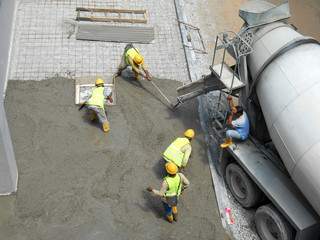
How Professional Contractors Ensure Proper Concrete Curing

Concrete Contractor Denver CO

Proper curing of concrete is essential for its strength, durability and longevity. The concrete must be cured properly after it has been placed to ensure that it reaches maximum strength.

Concrete Contractor Denver CO use a variety of methods to control temperature and humidity for effective curing. Some methods include spraying, wet covering and using a curing compound.

Temperature

Concrete curing consists of keeping the concrete moist and at the correct temperature after it has been poured to ensure proper strength gains. This process helps the concrete achieve optimal strength, durability, and water tightness, and it prevents drying shrinkage that can result in surface cracking.

The initial curing period is crucial to the concrete’s long-term performance, and a number of factors influence the duration of this stage. Specifically, the temperature of the concrete impacts how fast the hydration reactions take place. Higher temperatures increase the reaction speed, but it is critical to avoid going too high or else the concrete could develop other undesirable characteristics.

In addition, the ambient temperature has a significant impact on how quickly the concrete will dry. Hot weather accelerates the curing process and leads to excessive moisture loss, while cold temperatures slow down the process and can even halt it altogether. This is why it’s important to have a good understanding of the ideal concrete curing temperature range and the best ways to control it.

To maintain the appropriate concrete curing temperature, it is essential to shield the concrete from direct sunlight and wind. These elements can cause rapid evaporation of moisture, which will weaken the concrete and reduce its durability. A variety of curing methods are available to help minimize moisture loss, including ponding, misting, covering with wet blankets or plastic sheeting, and using curing compounds that form a waterproof barrier over the concrete’s surface.

Another consideration when it comes to maximizing concrete curing is the air’s dew point temperature. This is the temperature at which water molecules begin to condense, and it determines how easily water vapor in the atmosphere can escape into the concrete mixture. During curing, the dew point temperature should be as close to the concrete’s temperature as possible to minimize water vapor evaporation.

The interplay between key Concrete Curing Essentials like temperature and humidity is critical to the success of any project. By carefully examining and managing these conditions, professional contractors ensure proper concrete curing that promotes the integrity of the finished product.

Humidity

Concrete curing is an essential process for ensuring the strength of newly poured concrete. A chemical reaction between cement and water creates concrete, and a balanced ratio of moisture is necessary for concrete to develop its full strength potential. Many factors influence the quality of concrete, including temperature, humidity, and curing techniques. Professional contractors use a blend of science and craft to optimize the concrete curing process, ensuring that the final product meets project specifications.

Moisture is critical for the curing process because it helps concrete set and harden. But if too much water is used to mix the concrete, or if the concrete dries too quickly, it can lose its strength. To prevent this, construction professionals must protect the concrete from direct sunlight and wind, which speed up evaporation. They can also use coverings, such as plastic sheeting or curing compounds that form a membrane over the concrete surface.

Some curing compounds are designed to be sprayed over the concrete and then dry, creating a protective barrier that reduces the amount of moisture lost through evaporation. These curing products, known as “cure & seals,” are often used on projects that require the concrete to be resistant to water, chemicals, and abrasions. They are available in a variety of forms, including sprayed liquid and foam, to ensure that they cover all exposed areas of the concrete.

In addition to these coatings, there are curing products that contain absorbent materials or that work with the concrete to help retain its moisture. Some of these products work by reducing the water-to-cement ratio, while others use self-desiccant agents or control ambient conditions to speed up the drying process. However, these methods can backfire if they aren’t used properly, as they can interfere with the chemical reactions that take place within concrete and lead to improper curing.

To avoid this, it’s important to spray down the concrete several times a day, especially during its first seven days. It’s also necessary to keep the concrete protected from direct sunlight, wind and other environmental conditions that can affect its hydration levels.

Moisture Content

Concrete curing is an essential process that ensures the concrete achieves its intended strength and durability. It requires specific environmental conditions to be met, including temperature, humidity, and moisture content. The ratio of water to cement that is used in the concrete mix plays an important role in curing time, as well. A higher ratio results in more durable, more permeable concrete, while a lower one creates a weaker, less droopy structure. Regularly checking the moisture content of concrete with a humidity sensor can help project managers stay on top of curing progress and take proactive steps when necessary to keep it within optimal ranges.

The curing process needs to be supervised and monitored to prevent over-hydration, which leads to the formation of surface cracks. It’s also important to examine the concrete for any signs of spalling or delamination, as these can indicate a need for additional curing measures. Taking these and other measures into consideration can help contractors optimize the curing process and ensure that the concrete develops its desired strength and durability.

Some people use the terms concrete curing and drying interchangeably, but they are different processes with very distinct outcomes. Curing concrete involves keeping the material at a specific humidity level until it reaches its full strength and resistance, while drying aims to reduce the moisture content as quickly as possible.

Several different techniques can be used to maintain an adequate supply of moisture for the concrete during curing, including ponding and immersion, spraying, and the application of curing compounds. The choice of method often depends on project requirements, the climate, and practicality.

For example, ponding and immersion involve submerging the concrete in a pond of water to provide a consistent supply of moisture without the risk of evaporation. Sprinkling involves periodically spraying the concrete with water to keep it wet. In addition, covering the concrete with a plastic sheet can help to reduce evaporation and provide insulation from harsh sunlight.

Another option is to apply a membrane-forming curing compound like E-Cure to the concrete to form a thin film that reduces moisture loss and protects the concrete from damage during construction. This is especially effective in areas where high-traffic or long-term exposure are anticipated, as it provides extra abrasion resistance and helps the concrete resist discoloration over time.

Time

Concrete curing is a meticulous process that depends on careful consideration of several factors. The proper temperature, humidity and moisture content are key to the strength of the final product. Without these conditions, the concrete won’t be able to hydrate properly or gain the necessary strength. Construction contractors can help to ensure that the concrete is cured correctly by carefully monitoring and managing environmental conditions.

It’s also important to protect the concrete from extreme heat or cold, which can accelerate moisture evaporation and impact curing quality. This can be accomplished by shielding the concrete from direct sunlight, wind and other elements that might affect hydration. In addition, construction professionals can use insulating blankets and heating systems to maintain the desired temperature.

The first 7 days are especially critical, as the concrete is developing its initial strength. It’s not recommended to apply paint or stain on new concrete until at least this time has passed. If applied too soon, these materials may trap excess moisture in the concrete, leading to peeling, flaking and blistering.

To keep the concrete hydrated, it’s necessary to regularly mist or spray water on the surface. This can be done with a hose or nozzle, or using a special curing compound that creates a membrane. These products can be sprayed onto the concrete or covered with plastic sheeting to slow down evaporation and promote consistent moisture levels.

Other curing methods include wet covering with plastic sheeting, steam curing and immersion. Wet coverings like burlap, canvas and straw can be used to create a barrier and trap moisture. This is often preferred to spraying, which can be difficult to manage consistently on a large project.

Steam curing can be useful for projects that require accelerated hydration or high early strength. By immersing the concrete in a pond or tank of water, this method can speed up the chemical reaction and ensure that the concrete is sufficiently hydrated for maximum strength.

There are many different curing products available, and choosing the right one for each project can be challenging. However, some products are more versatile than others, making them suitable for a wider range of applications. For example, sodium silicate-based products like Cure Hard and E-Cure are excellent choices for curing, sealing and hardening, and can be applied to a wide variety of surfaces.