Concrete is one of the most versatile and durable materials used in construction today. From residential driveways and patios to commercial foundations and industrial flooring, it serves as a reliable foundation for structures of all sizes. High-quality concrete installation and repair services are essential for ensuring long-lasting performance, aesthetic appeal, and structural safety.
Property owners who invest in professional concrete solutions benefit from precision, durability, and enhanced property value, while minimizing the risk of costly repairs or premature deterioration. Whether building new structures, restoring existing surfaces, or upgrading outdoor areas, expert Concrete Contractors Conroe TX provide the skills and knowledge necessary to achieve strong and lasting results.
Concrete installation is more than pouring a mixture into a mold—it is a process that requires planning, preparation, and precise execution. Professional contractors start by assessing the site to determine soil conditions, load-bearing requirements, drainage considerations, and environmental factors. This evaluation allows them to select the appropriate concrete mix, reinforcement methods, and installation techniques to meet the project’s specific needs. Whether the goal is a simple sidewalk, an elegant patio, a durable driveway, or a robust commercial foundation, careful planning ensures that the structure performs reliably over time.
Proper site preparation is critical to the success of any concrete project. The area must be cleared of debris, graded, and compacted to provide a stable base. Forms are then installed to define the desired shape and dimensions, ensuring that the final product meets exact specifications. Reinforcement materials, such as steel rebar or wire mesh, may also be added to increase structural strength and prevent cracking under heavy loads. By taking these preparatory steps seriously, professional contractors ensure that the concrete surface is structurally sound and capable of withstanding daily wear and environmental stressors.
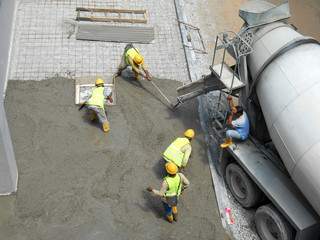
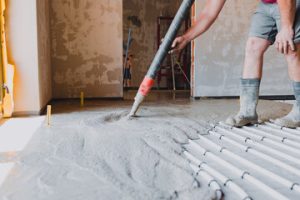
During the pouring and finishing stages, attention to detail is essential. The concrete must be mixed with the correct ratio of water, cement, and aggregates to achieve optimal strength. Contractors pour the mixture evenly, leveling and smoothing the surface while removing air pockets to prevent weaknesses. Finishing techniques such as troweling, stamping, or texturing not only improve aesthetics but also provide functional benefits, including slip resistance and better water drainage. Professional finishing ensures that surfaces look polished and perform as expected for many years, even in high-traffic areas.
Curing and sealing are equally important to the longevity of concrete structures. Curing allows the concrete to develop maximum strength and reduces the likelihood of cracking. Contractors may use methods such as covering the surface, applying curing compounds, or misting to control moisture levels during this process. After curing, sealing the concrete protects against water penetration, stains, and surface damage from chemicals or environmental conditions. Proper curing and sealing maximize the lifespan of concrete, providing property owners with a durable and low-maintenance solution.
Concrete repair services are equally vital for maintaining residential and commercial properties. Even the strongest concrete can suffer from wear and tear over time due to heavy traffic, environmental factors, or natural settling. Common issues include cracks, spalling, surface erosion, and uneven slabs. Professional contractors assess the damage to determine the appropriate repair method, which may involve patching, resurfacing, grinding, or complete replacement of damaged sections. Timely repairs prevent minor issues from escalating into more severe problems that compromise safety and require costly reconstruction.
Residential properties benefit significantly from professional concrete services. Homeowners frequently install concrete for driveways, walkways, patios, pool decks, and garden areas. Well-installed concrete enhances the overall appearance of the property, provides safe and stable surfaces, and increases functional outdoor living space. Furthermore, properly maintained concrete adds long-term value to homes by improving curb appeal and reducing maintenance needs. For families and property owners, investing in professional installation and repair ensures that these surfaces remain reliable and visually appealing for years.
Commercial properties also rely heavily on concrete for functional and structural purposes. Offices, retail centers, warehouses, and industrial facilities require durable flooring, driveways, loading areas, and foundations. High-quality concrete installation ensures that these surfaces can withstand heavy equipment, frequent traffic, and extreme weather conditions. Commercial property owners benefit from expert contractors who understand load-bearing specifications, safety standards, and compliance requirements. Well-executed concrete projects minimize disruptions, reduce maintenance costs, and support the long-term operation of the property.
One of the main advantages of hiring professional concrete contractors is access to specialized knowledge and equipment. Experienced contractors understand the nuances of different concrete mixes, reinforcement techniques, and installation methods. They utilize modern tools and technology to ensure precise measurements, consistent pouring, and accurate leveling. Contractors also stay up-to-date with industry trends, building codes, and safety regulations, ensuring that every project is executed efficiently, safely, and in compliance with standards. This expertise translates into stronger, more reliable concrete structures for both residential and commercial clients.
Decorative concrete options are another benefit of working with professionals. Beyond standard gray surfaces, contractors can create stamped patterns, stained finishes, colored concrete, or exposed aggregate surfaces. These enhancements allow property owners to achieve unique designs that complement the architecture and landscaping of their property. Decorative concrete combines beauty with durability, offering a visually appealing solution that remains functional and low-maintenance. Property owners seeking to improve outdoor aesthetics often find that professional decorative concrete services offer the perfect balance of style and practicality.
Maintenance plays a crucial role in the longevity of concrete structures. While concrete is durable, routine care prevents premature wear and maintains the surface’s appearance. Regular cleaning, sealing, and inspections can protect against water infiltration, stains, and minor damage. For commercial applications, maintenance ensures safety and compliance with regulatory requirements. Professional contractors can provide guidance on maintenance schedules and techniques, helping property owners extend the life of their investment while keeping surfaces safe, functional, and attractive.
Safety is a critical consideration in both installation and repair projects. Professional contractors follow strict safety protocols to protect workers, residents, and property occupants. Proper handling of materials, use of protective equipment, and adherence to construction best practices minimize risks associated with heavy equipment, wet concrete, and construction sites. By prioritizing safety, contractors not only protect property owners but also ensure the smooth progress of projects without unnecessary interruptions or hazards.
Eco-friendly concrete solutions are also becoming increasingly popular. Contractors now offer options such as recycled aggregate concrete, low-carbon cement mixes, and permeable paving systems. These environmentally responsible alternatives maintain strength and durability while reducing the environmental impact of construction projects. Property owners seeking sustainable solutions can rely on professional contractors to implement these innovative methods without compromising quality or performance. Eco-friendly concrete enhances property value while supporting responsible construction practices.
Time efficiency is another advantage of hiring experienced contractors. Professional teams coordinate every aspect of a project, from site preparation and pouring to curing, finishing, and repairs. This level of organization ensures that projects are completed on schedule, minimizing disruptions to homeowners or business operations. Efficient project management also reduces labor costs, material waste, and downtime, providing property owners with both financial and logistical benefits.
In addition to technical expertise, professional contractors bring customer-focused service to every project. They communicate clearly, provide detailed cost estimates, and offer guidance on material selection, design, and long-term performance. This transparency allows property owners to make informed decisions and ensures satisfaction throughout the project. Experienced contractors tailor solutions to meet the unique needs of each property, combining professionalism with practical advice to achieve outstanding results.
Professional concrete services cover a wide array of applications. Common installations and repairs include:
- Driveways and parking areas that require heavy-duty concrete for vehicles and pedestrian traffic.
- Sidewalks and walkways provide safe, level, and aesthetically pleasing pedestrian surfaces.
- Patios and outdoor living spaces enhance residential functionality and outdoor enjoyment.
- Foundations and structural slabs, supporting residential or commercial buildings with durable, stable bases.
These solutions are designed to meet the specific performance requirements of each property while ensuring long-term strength and reliability. By selecting professional contractors, property owners benefit from a comprehensive approach that combines design, installation, and ongoing support.
In conclusion, high-quality concrete installation and repair services are essential for maintaining strong, reliable, and visually appealing structures. Professional contractors provide expertise, precision, and modern techniques that ensure every project meets high standards of durability and performance. From residential driveways and patios to commercial foundations and industrial flooring, expertly installed concrete withstands daily use, extreme weather, and the test of time. Property owners who invest in professional concrete services gain peace of mind, improved property value, and long-lasting results that enhance both safety and aesthetics. Whether for installation, repair, or decorative enhancements, trusted concrete contractors deliver solutions that protect, beautify, and strengthen residential and commercial properties for years to come.